Tokyo can feel overwhelming for a first-time visitor—the city is enormous, endlessly layered, and packed with more experiences than any one trip can hold.
This itinerary is designed for first-time visitors who want to experience both Tokyo’s iconic landmarks and a few lesser-known neighborhoods without feeling rushed.
With five days, you can experience the city’s highlights at a comfortable pace, combining iconic sights, neighborhood strolls, great food, and even a day trip beyond the city center. Here’s a day-by-day itinerary to help you make the most of your first visit to Tokyo, updated for 2026.
Exchange rates fluctuate regularly. All USD prices shown in this guide are approximate and provided for reference only.
Table of Contents
- What’s New in Tokyo (2026)
- Before You Go (eSIM, Hotels & Tours)
- Where to Stay
- Estimated Budget for 5 Days
- Day 1: Asakusa, Ueno & Tokyo Skytree — Old Tokyo
- Day 2: Shibuya & Harajuku — Modern Tokyo
- Day 3: Day Trip — Mt. Fuji or Nikko
- Day 4: Odaiba, Akihabara & teamLab
- Day 5: Tsukiji, Ginza & One Big Extra
- A Few General Tips
- FAQ
- Related Articles
What’s New in Tokyo (2026)
2026 is a big year for new openings in Tokyo. Here’s what’s worth knowing before you plan your trip:
- The Edo-Tokyo Museum reopened on March 31 after a major renovation, with refreshed exhibits tracing the city’s history from the Edo period to today.
- PokéPark Kanto opened on February 5 inside Yomiuriland amusement park — the world’s first permanent outdoor Pokémon theme park, set across a large, nature-filled area modeled on the Kanto region.
- Tokyo Aqua Symphony, a large-scale fountain, light, and music show over Tokyo Bay in Odaiba, launched in 2026. It’s best seen after dark.
- Tokyo DisneySea’s “Sparkling Jubilee” 25th-anniversary celebration runs from April 15, 2026 through March 31, 2027, with special water shows and nighttime lighting.
- Tax-free shopping rules are changing. Starting November 1, 2026, Japan is moving to an airport-refund system: you’ll pay the full price (tax included) in stores, then get your refund at the airport when you leave, instead of getting the discount at checkout. Plan your budget and keep your receipts if you’re traveling after that date.
- Large-scale redevelopment continues city-wide, including the new MoN Takanawa cultural museum and the Oimachi Tracks complex — part of why Tokyo feels a little different every time you visit.
Before You Go (eSIM, Hotels & Tours)
eSIM / Wi-Fi
Buy a Japan eSIM online before you leave so you’re connected the moment you land. It’s more convenient than renting a pocket Wi-Fi router at the airport, since there’s nothing to pick up or return.
Hotels
Tokyo has an enormous range of accommodation, but popular areas like Shinjuku, Shibuya, and Ginza fill up fast — book early. See “Where to Stay” below for area-by-area guidance.
Tours & Tickets
teamLab, Shibuya Sky, day trips to Mt. Fuji or Nikko, the Disney parks, and PokéPark Kanto are all increasingly selling out in advance, especially during peak season. Check availability 1–2 months before you travel.
IC Card
Get a Suica or Pasmo card — either physical or added digitally to Apple Wallet or Google Wallet — for trains, buses, and convenience stores.
Where to Stay
| Area | Best for | Notes |
|---|---|---|
| Shinjuku | First-time visitors in general | Excellent transport links, tons of dining, lively well past midnight. |
| Shibuya | Youth culture & shopping fans | The trend-forward heart of the city; close to Shibuya Sky and Harajuku. |
| Ginza | A quieter, upscale stay | High-end hotels and shopping; calmer at night. |
| Asakusa | Old-town atmosphere | Classic Tokyo charm; good access to Narita and Haneda airports. |
Rough price ranges:
- Hostel/backpacker: ¥3,000–6,000/night ($18–37)
- Mid-range hotel: ¥12,000–25,000/night ($74–153)
- Luxury hotel: ¥35,000+/night ($215+)
Estimated Budget for 5 Days
Per-person estimates, excluding flights and accommodation (food, local transport, and attraction costs only).
| Tier | Per day | 5-day total |
|---|---|---|
| Budget | ¥6,000–8,000 ($37–49) | ¥30,000–40,000 ($184–245) |
| Mid-range | ¥10,000–15,000 ($61–92) | ¥50,000–75,000 ($307–460) |
| Splurge | ¥20,000+ ($123+) | ¥100,000+ ($614+) |
Rough breakdown: meals run ¥2,000–6,000/day ($12–37), local transport ¥800–1,500/day ($5–9), and attraction entry fees ¥1,000–5,000 per venue ($6–31). Days that include teamLab, a Disney park, or a day-trip tour will push your budget higher — plan for that in advance.
Day 1: Asakusa, Ueno & Tokyo Skytree — Old Tokyo
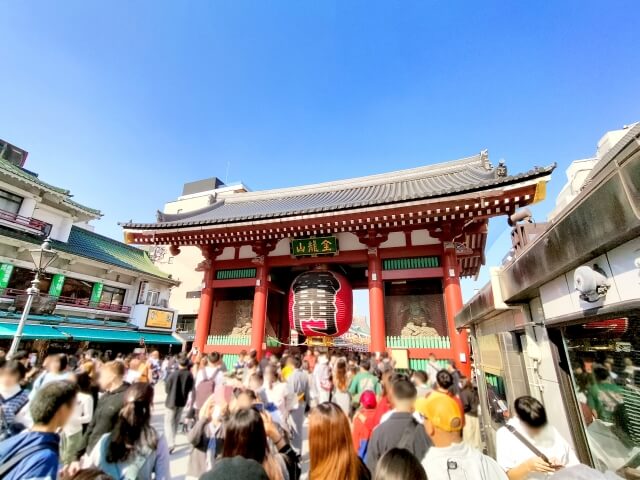
Ease into the trip with the historic east side of the city.
- Morning: Senso-ji Temple (suggested time: 60–90 min)
Tokyo’s oldest temple. Walk up Nakamise-dori for snacks and souvenirs before the crowds thicken.
📍 View on Google Maps - Midday: Ueno Park / Edo-Tokyo Museum (suggested time: 60 min for the park + 90 min for the museum)
The newly renovated Edo-Tokyo Museum walks you through the city’s history from the Edo period to today — a great orientation for the rest of the trip.
📍 View on Google Maps (Ueno Park) | 📍 View on Google Maps (Edo-Tokyo Museum) - Afternoon: Tokyo Skytree (suggested time: 90–120 min)
Head up for panoramic views, or cross the river for photos of the tower from the Sumida riverbank.
📍 View on Google Maps - Evening: Dinner in Asakusa or Kappabashi (suggested time: 60–90 min)
Kappabashi is Tokyo’s kitchenware district — fun to wander even if you’re not buying.
📍 View on Google Maps
Day 2: Shibuya & Harajuku — Modern Tokyo
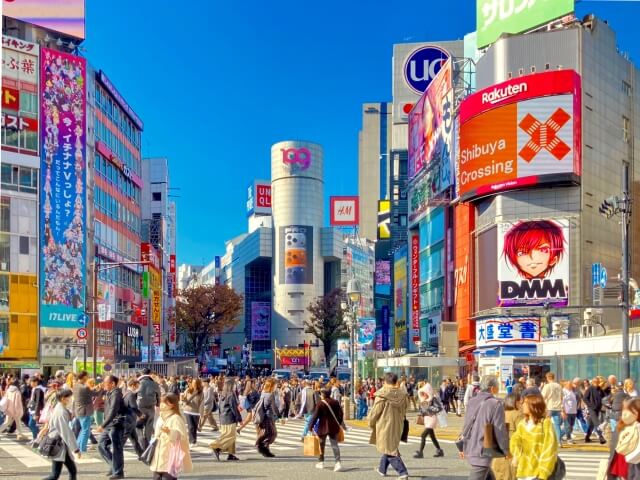
This is your big “iconic Tokyo” day.
- Morning: Shibuya Crossing / Shibuya Sky (suggested time: 15 min for the crossing + 60–90 min for Shibuya Sky)
Sunset slots at Shibuya Sky are especially popular, so book ahead.
📍 Open in Google Maps (Shibuya Crossing) | 📍 Open in Google Maps (Shibuya Sky) - Midday: Takeshita Street, Harajuku / Meiji Shrine (suggested time: 45 min for Takeshita Street + 60 min for the shrine)
Enjoy youth fashion and crepes, then take a calmer walk through Meiji Shrine’s forested grounds.
📍 Open in Google Maps (Takeshita Street) | 📍 Open in Google Maps (Meiji Shrine) - Afternoon: Omotesando / Yoyogi Park (suggested time: 60–90 min)
Explore the architecture and shopping, or detour into Yoyogi Park if the weather’s good.
📍 Open in Google Maps (Omotesando) - Evening: Shinjuku (Kabukicho / Tokyo Metropolitan Government Building) (suggested time: 45 min for the observation deck + 60–90 min for dinner)
Kabukicho’s neon, an izakaya dinner, and the free observation deck at the Tokyo Metropolitan Government Building for a skyline view without the ticket price.
📍 Open in Google Maps (Observation Deck)
Day 3: Day Trip — Mt. Fuji or Nikko
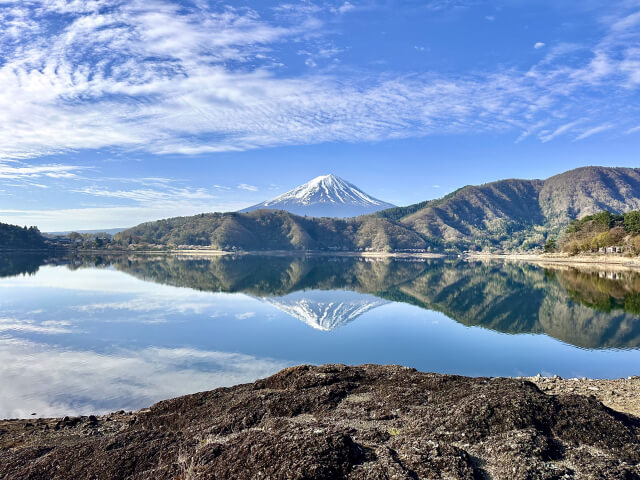
Mt. Fuji (Kawaguchiko area) and Nikko are two of the most popular day-trip destinations for first-time visitors to Tokyo. Choose Kawaguchiko if you want a classic Mt. Fuji view, or Nikko if you’d rather explore a UNESCO World Heritage site and historic shrines and temples. As a rule of thumb for a first Tokyo trip: go with Mt. Fuji (Kawaguchiko) if the weather looks clear, and save Nikko for a rainy day or if history and culture are more your thing — either way you’ll come away satisfied.
- Mt. Fuji (Kawaguchiko area) (suggested time: full day)
About two hours from Tokyo by train or highway bus, the Lake Kawaguchiko area offers some of Japan’s most iconic views of Mt. Fuji without climbing the mountain. - Highlights include:
- Chureito Pagoda
- Lake Kawaguchiko
- Mt. Fuji Panoramic Ropeway
- Fuji Subaru Line 5th Station (seasonal)
- Morning usually offers the clearest views, so check the weather forecast before your trip.
📍 Open in Google Maps (Chureito Pagoda) | 📍 Open in Google Maps (Lake Kawaguchiko) | 📍 Open in Google Maps (Mt. Fuji 5th Station) - Nikko (suggested time: full day)
About 2 hours from Tokyo. Home to the ornate Toshogu Shrine complex and beautiful forested mountain scenery.
📍 Open in Google Maps (Toshogu Shrine)
Either works well as a long day trip using a rail pass or a package tour if you’d rather not navigate multiple transfers yourself.
Day 4: Odaiba, Akihabara & teamLab
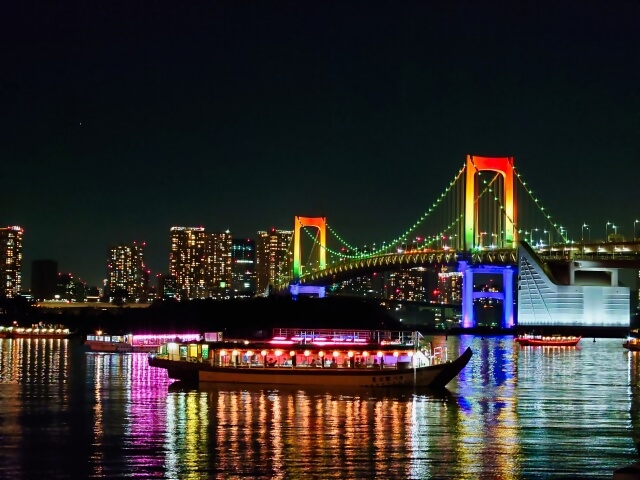
A day for tech, pop culture, and digital art.
- Morning: Akihabara (suggested time: 90–120 min)
Browse electronics, anime and manga shops, and retro arcades.
📍 Open in Google Maps - Midday: teamLab Planets or teamLab Borderless (Toyosu) (suggested time: 90–150 min)
If you booked ahead, this is the place for Tokyo’s immersive digital art museums.
📍 Open in Google Maps - Evening: Odaiba (Tokyo Aqua Symphony / Rainbow Bridge) (suggested time: 60–90 min)
Catch the Tokyo Aqua Symphony, a large-scale fountain, light, and music show over Tokyo Bay, best seen after dark from the waterfront or a bay cruise. Odaiba also has great views of the lit-up Rainbow Bridge at night.
📍 Open in Google Maps (Odaiba Marine Park)
Day 5: Tsukiji, Ginza & One Big Extra
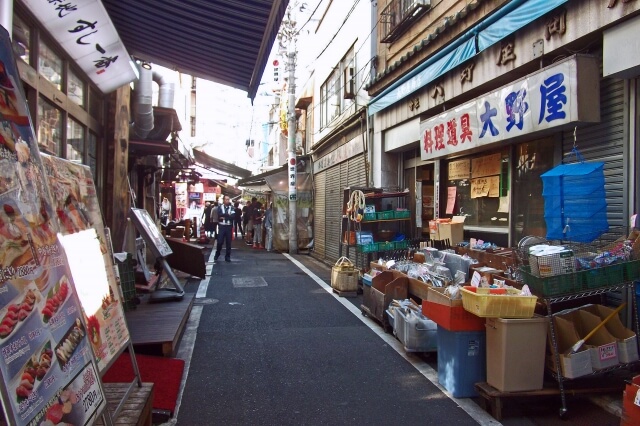
Your last day: food, shopping, and one flexible slot for whatever you missed.
- Morning: Tsukiji Outer Market (suggested time: 90–120 min)
Fresh seafood breakfast and street food (the wholesale auctions moved to Toyosu, but the outer market is still the best food-focused stop).
📍 Open in Google Maps - Midday: Ginza (suggested time: 90–120 min)
Upscale shopping, department store basements (depachika) stocked with beautiful food, and good architecture to admire along the way.
📍 Open in Google Maps - Afternoon — pick one (suggested time: half day):
- Tokyo Disneyland or DisneySea — DisneySea is currently running its “Sparkling Jubilee” 25th anniversary celebration through March 2027, with special shows and nighttime lighting.
📍 Open in Google Maps - PokéPark Kanto (Yomiuriland) — the first permanent outdoor Pokémon theme park, which opened in February 2026, a fun half-day if you’re traveling with kids or are a fan.
📍 Open in Google Maps - Yanaka — one of the few Tokyo neighborhoods that survived WWII largely intact, for a quieter, old-town contrast to the rest of the trip.
📍 Open in Google Maps
- Tokyo Disneyland or DisneySea — DisneySea is currently running its “Sparkling Jubilee” 25th anniversary celebration through March 2027, with special shows and nighttime lighting.
- Evening: Final dinner (suggested time: 60–90 min)
A conveyor-belt sushi spot, an izakaya crawl, or splurging on a proper sushi counter if you haven’t yet.
A Few General Tips
- Trains stop running around midnight, so plan your last train or budget for a taxi if you’re out late.
- Convenience stores (konbini) are genuinely great for breakfast, snacks, and even decent hot food — don’t skip them.
- Cash still matters. IC cards and credit cards are widely accepted now, but carry some cash for smaller shops, temples, and rural areas.
- Pace yourself. Tokyo rewards slower exploration as much as checklist-ticking — leave room in at least one day for wandering without a plan.
FAQ
Is 5 days enough for Tokyo?
For a first visit, five days is enough to cover the major highlights. If you also want to add Kyoto or Osaka, or a second day trip beyond Mt. Fuji/Nikko, consider extending to a week or more.
What’s the best time to visit?
Cherry blossom season (late March–early April) and fall foliage season (November) are especially popular and offer comfortable weather. Summer (July–August) is hot and humid; winter tends to be dry with clear skies.
What’s the best way to get around the city?
A combination of JR trains and the subway is the most efficient way to get around. A Suica or Pasmo card works seamlessly across nearly every form of transport.
Do I need to tip?
No — tipping isn’t customary in Japan, including at restaurants and for taxis.
How should I set up Wi-Fi or a SIM?
If you want to be connected the moment you land, buying an eSIM before you leave is the easiest option. Renting a pocket Wi-Fi router at the airport is another common choice.
Is this itinerary family-friendly?
The overall structure works well for families — just weight it more toward PokéPark Kanto, a Disney park, or Ueno Zoo, and build in extra downtime between stops and sightseeing.
Five days is just enough to fall in love with Tokyo and start planning your next trip. Looking for a quieter side of Tokyo? Explore our guide to Hidden Places Near Tokyo for scenic towns, local neighborhoods, and lesser-known destinations just beyond the city.
Related Articles
Hidden Places Near Tokyo