Table of Contents
- Quick Answer: Where Should You Stay in Tokyo?
- 1. Shinjuku — The All-Rounder for First-Timers
- 2. Shibuya — Young, Trendy, and Central
- 3. Tokyo Station & Marunouchi — Best for Convenience and Day Trips
- 4. Ginza — Upscale Shopping and Refined Dining
- 5. Asakusa — Old Tokyo, Temples, and Better Value
- 6. Ueno — Museums, Parks, and Practical Prices
- 7. Roppongi & Minato City — Art, Nightlife, and International Flavor
- 8. Ikebukuro — Budget-Friendly and Underrated
- 9. Nakameguro, Daikanyama & Shimokitazawa — For a Local, Low-Key Stay
- What Kind of Accommodation Should You Book?
- What Does Tokyo Accommodation Cost in 2026?
- Don’t Forget the Tokyo Accommodation Tax
- Booking Tips for Tokyo in 2026
- Frequently Asked Questions
Tokyo isn’t really one city — it’s more like twenty cities stitched together by the world’s most efficient train network. That’s great news once you’ve picked a base, and slightly overwhelming before you have. Book in the wrong spot and you’ll spend your trip staring at Google Maps instead of eating your way through izakaya alleys.
This guide breaks down the best areas to stay in Tokyo for every kind of traveler — first-timers, families, couples, solo travelers on a budget, and anyone chasing nightlife or a quieter local vibe — along with what it actually costs to sleep there in 2026.
Quick disclosure: this post contains affiliate links. If you book through them, we may earn a small commission at no extra cost to you — it’s how we keep this guide free and up to date.
Quick Answer: Where Should You Stay in Tokyo?
| Traveler Type | Best Area | Why |
|---|---|---|
| First-time visitor | Shinjuku or Tokyo Station/Marunouchi | Unbeatable transit access, minimal learning curve |
| Nightlife & shopping lovers | Shibuya or Shinjuku | Bars, karaoke, late-night ramen, iconic crossings |
| Families with kids | Asakusa or Ueno | Calmer streets, parks, museums, easier navigation |
| Luxury travelers | Ginza or Roppongi/Minato | Five-star hotels, fine dining, upscale shopping |
| Budget backpackers | Asakusa, Ueno, or Ikebukuro | Hostels, capsule hotels, cheaper business hotels |
| Couples wanting atmosphere | Asakusa or Nakameguro/Daikanyama | Traditional charm or a stylish, low-key local scene |
| Shinkansen day-trippers | Tokyo Station/Marunouchi | Direct bullet train access to Kyoto, Hakone, Mt. Fuji |
Below, we’ll go neighborhood by neighborhood so you can match your trip style to the right base.
1. Shinjuku — The All-Rounder for First-Timers
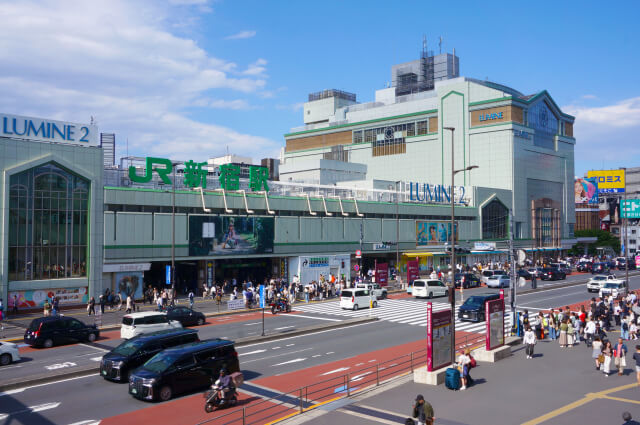
Shinjuku Station is the busiest railway station in the world, which sounds intimidating but actually works in your favor: every train line you’ll ever need touches this hub. Above ground, the neighborhood packs in an entire trip’s worth of experiences — the quiet paths of Shinjuku Gyoen, the neon chaos of Kabukicho, tiny bars in Golden Gai, and smoky yakitori stalls along Omoide Yokocho.
Best for: First-timers, nightlife seekers, anyone who wants to be near everything.
Watch out for: It’s loud, crowded, and the station itself has 200+ exits — genuinely disorienting on arrival. Families sometimes prefer a calmer base instead.
Where to book: Mid-range business hotels here are excellent value, and the west side (skyscraper district) is noticeably quieter than the east side if you want easy transit without the full Kabukicho energy.
Editor’s Picks: Where to Stay in Shinjuku
- Park Hyatt Tokyo (Luxury) — The iconic Nishi-Shinjuku skyscraper hotel made famous by Lost in Translation, with sweeping city views and impeccable service.
- Hotel Gracery Shinjuku (Mid-range) — Sits right in Kabukicho beneath its famous rooftop Godzilla head, putting nightlife, shopping, and the station within easy walking distance.
- Hotel Sunroute Plaza Shinjuku (Budget/Practical) — Reliable value with spacious twin rooms, a solid pick for travelers who want comfort without the premium price tag.
2. Shibuya — Young, Trendy, and Central
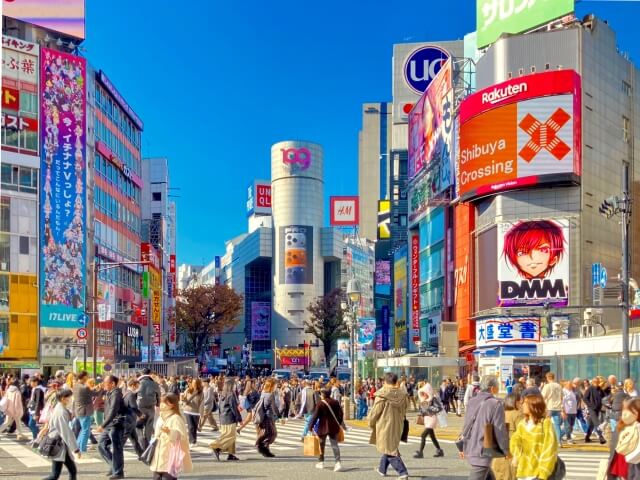
If Shinjuku is Tokyo’s engine room, Shibuya is its Instagram feed. This is home to the famous scramble crossing, Shibuya 109, and a dense cluster of cafés, boutiques, and live music venues. It sits on the Yamanote Line just like Shinjuku, so transit connections are just as strong, but the atmosphere feels a touch younger and slightly less overwhelming — several travel writers specifically recommend it over Shinjuku for families, since it delivers similar energy with a bit less intensity.
Best for: Younger travelers, shoppers, first-timers who want energy without full Kabukicho chaos, and families who still want to be central.
Watch out for: The area around the station is almost always packed; hotel prices climb during cherry blossom and autumn foliage seasons.
Where to book: Look for hotels directly connected to Shibuya Station if you’re traveling with luggage — several properties let you reach your lobby without ever stepping outside.
Editor’s Picks: Where to Stay in Shibuya
- Shibuya Excel Hotel Tokyu (Mid-range/Upscale) — Directly connected to Shibuya Station, with some rooms overlooking the famous scramble crossing.
- Hyatt House Tokyo Shibuya (Mid-range) — Apartment-style suites with kitchenettes, a great fit for families or longer stays.
- Tokyu Stay Shibuya (Budget/Practical) — In-room washer-dryer and efficient layouts make this a smart base for shoppers packing light.
3. Tokyo Station & Marunouchi — Best for Convenience and Day Trips
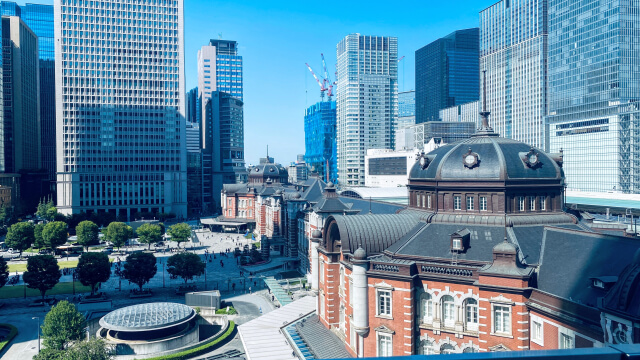
This is the area many seasoned Japan travel writers actually choose for themselves. It’s polished, efficient, and sits directly above the Shinkansen platforms — ideal if you’re planning day trips to Kamakura, Nikko, or onward travel to Kyoto and Osaka. The Marunouchi side toward the Imperial Palace feels business-district calm, while Yaesu (the opposite exit) is developing fast, with several new hotel openings planned through 2026.
Best for: Business travelers, Shinkansen day-trippers, anyone who values pure convenience over nightlife.
Watch out for: Fewer casual, cheap-eats options right at the station compared to Shinjuku or Shibuya — you’ll want to walk a few minutes for izakaya-style dinners.
Where to book: Mid-range hotels directly across from Tokyo Station offer a strong combination of comfort and unbeatable location; nearby Nihonbashi is a slightly cheaper alternative with easy monorail access to Haneda Airport.
Editor’s Picks: Where to Stay Near Tokyo Station
- The Tokyo Station Hotel (Luxury) — Housed inside the historic station building itself; as central as it gets.
- Hotel Ryumeikan Tokyo (Mid-range) — Directly across from Tokyo Station, offering one of the best value-for-location combinations in the city.
- Ascott Marunouchi Tokyo (Serviced Apartment) — Full kitchens and laundry, ideal for stays of a week or more.
4. Ginza — Upscale Shopping and Refined Dining
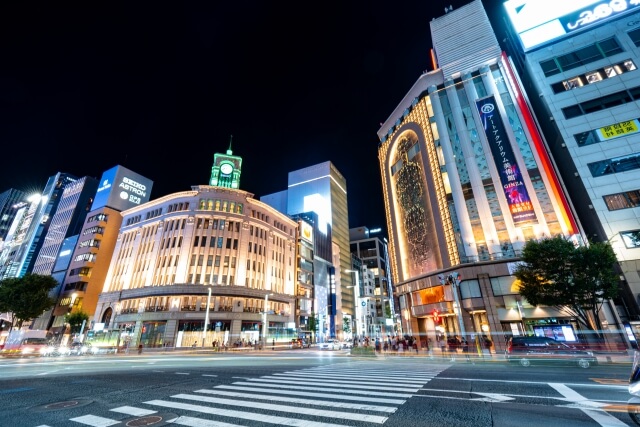
Ginza has a reputation as Tokyo’s luxury shopping district, but it’s more accessible than people expect, with plenty of solid mid-range hotels tucked between the flagship boutiques. It’s quieter at night than Shinjuku or Shibuya, with wide, elegant streets and some of the city’s best sushi counters.
Best for: Luxury travelers, foodies, couples wanting a refined atmosphere, shoppers.
Watch out for: Not much nightlife energy after dark — nearby Shimbashi, just a 10-15 minute walk away, is a good alternative if you want izakaya culture within reach of Ginza’s polish.
Editor’s Picks: Where to Stay in Ginza
- Conrad Tokyo (Luxury) — Technically in neighboring Shiodome but grouped with Ginza in most guides, with striking Tokyo Bay views and top-tier service.
- AC Hotel Ginza Tokyo by Marriott (Mid-range) — Modern, central, and walkable to Ginza’s flagship boutiques and sushi counters.
5. Asakusa — Old Tokyo, Temples, and Better Value
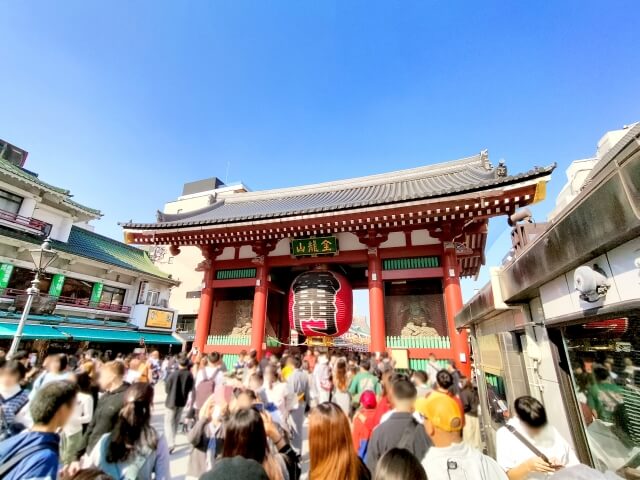
Asakusa is the closest thing Tokyo has to an “old town.” Senso-ji Temple and the Nakamise-dori shopping street anchor the area, and while most of the current buildings actually date from post-war reconstruction, the neighborhood retains a genuinely traditional feel with ryokan-style guesthouses, festival culture, and old-school shops. It’s also noticeably cheaper than central areas and connects directly to Haneda Airport via the Keikyu line.
Best for: Budget travelers, families, couples who want atmosphere, first-time visitors to Japan who want a taste of tradition.
Watch out for: It’s touristy around the temple itself, and it sits off the Yamanote Line, so cross-town trips take a bit longer than from Shinjuku or Shibuya.
Nearby alternative: Kuramae, just south of Asakusa, has become a haven for design-forward cafés and small hostels if you want the same convenience with a more local feel.
Editor’s Picks: Where to Stay in Asakusa
- The Gate Hotel Kaminarimon by Hulic (Mid-range/Upscale) — Steps from Senso-ji’s Kaminarimon Gate, with a lobby view many guests call the best in the area.
- Onyado Nono Asakusa Bettei (Ryokan-style) — A modern take on the traditional ryokan experience, complete with an on-site hot-spring-style bath.
6. Ueno — Museums, Parks, and Practical Prices
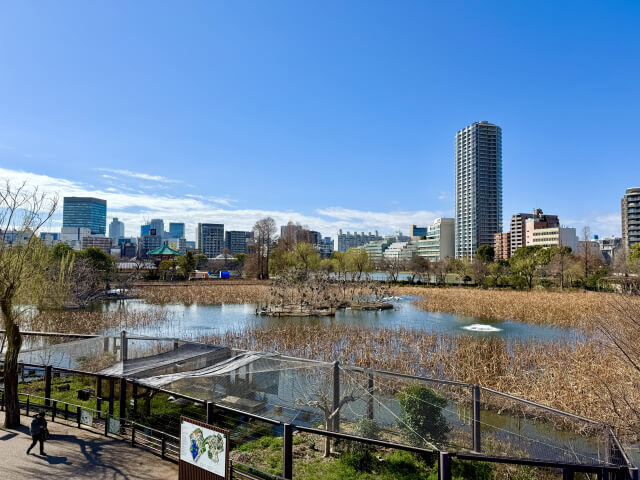
Just north of Akihabara, Ueno centers on a huge park containing Tokyo’s best museum cluster (including the Tokyo National Museum) plus a zoo and cherry blossom viewing in spring. It’s less polished than Ginza or Shibuya but delivers real value, with plenty of hostels and business hotels nearby.
Best for: Museum lovers, families, budget-conscious travelers.
Editor’s Picks: Where to Stay in Ueno
- NOHGA HOTEL UENO TOKYO (Stylish/Mid-range) — More design-forward than a standard business hotel, great for couples or friends who want character without Ginza-level prices.
- Candeo Hotels Ueno-koen (Mid-range) — A favorite for first-timers, with a rooftop spa and easy walks to Ueno Park and the Tokyo National Museum.
- MIMARU Tokyo Ueno East (Family/Apartment-style) — Kitchen and living space included, ideal for families or groups who don’t want to book multiple rooms.
7. Roppongi & Minato City — Art, Nightlife, and International Flavor
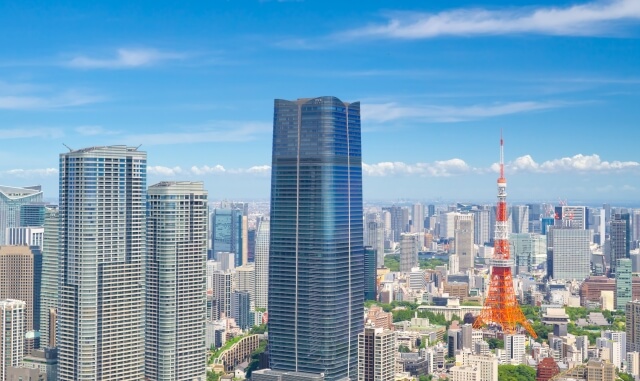
Roppongi sits roughly in the geographic middle of Tokyo, making it easy to reach both Shibuya and Tokyo Station. The area itself is quieter on culture and sightseeing but strong on art museums (Mori Art Museum, 21_21 Design Sight) and international dining, plus some of the city’s newest luxury towers.
Best for: Business travelers, art lovers, families wanting upscale, well-equipped hotels.
Editor’s Picks: Where to Stay in Roppongi & Minato
- The Ritz-Carlton, Tokyo (Luxury) — Occupies the top floors of Tokyo Midtown, with a spa and some of the best skyline views in the city.
- Grand Hyatt Tokyo (Luxury/Upscale) — Directly connected to Roppongi Hills, putting shops, restaurants, and an art museum right at the doorstep.
- Hotel Villa Fontaine Grand Tokyo-Roppongi (Mid-range) — Direct subway access and sleek, efficient rooms at a more moderate price point.
8. Ikebukuro — Budget-Friendly and Underrated
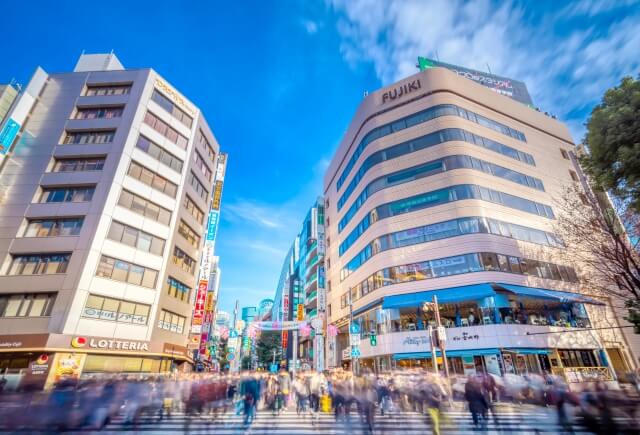
Ikebukuro doesn’t get the same hype as Shinjuku or Shibuya, but it has excellent transit connections, a lower price point, and a strong “otaku” culture scene of its own (particularly Sunshine City and the Otome Road area for anime and manga fans).
Best for: Budget travelers, anime/manga fans, peak-season bookings when other areas sell out.
Editor’s Picks: Where to Stay in Ikebukuro
- Hotel Metropolitan Tokyo Ikebukuro (Mid-range) — Right next to the station, with multiple restaurants and a spa on site.
- Sunshine City Prince Hotel (Family-friendly) — Located inside the Sunshine City complex, handy for families with an aquarium, planetarium, and shops all under one roof.
- MIMARU Tokyo Ikebukuro (Family/Apartment-style) — Consistently one of the highest-rated stays in the area, with kitchen and living space for groups.
9. Nakameguro, Daikanyama & Shimokitazawa — For a Local, Low-Key Stay
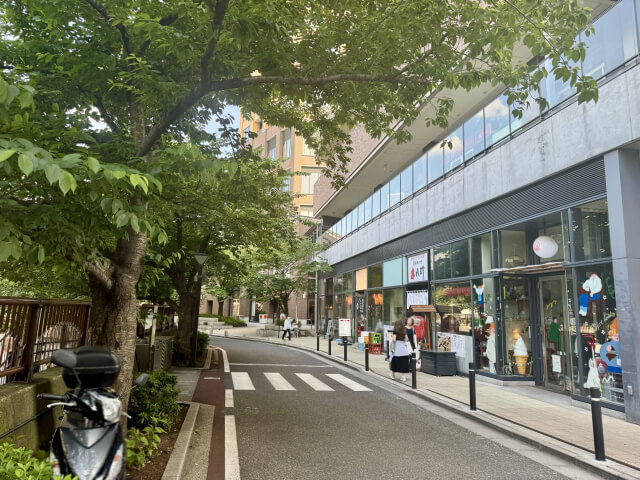
If central Tokyo’s density feels like too much, these adjacent neighborhoods offer a mostly residential, hipster-leaning vibe with quick access back into Shibuya and Ebisu. Expect stylish coffee shops, vintage boutiques, and the cherry-blossom-lined Meguro River — plus far fewer tourists.
Best for: Repeat visitors, digital nomads, travelers who want to feel like a local rather than a tourist.
Editor’s Picks: Where to Stay in Nakameguro & Daikanyama
- KKR Hotel Nakameguro (Quiet/Business) — Set among quiet gardens in a residential neighborhood, a genuine change of pace from central Tokyo’s intensity.
- Tokyu Stay Shibuya Shin-minamiguchi (Practical) — Just outside Daikanyama with an in-room washer-dryer, useful for longer, low-key stays.
What Kind of Accommodation Should You Book?
Tokyo offers accommodation types most Western travelers won’t have tried before, and each suits a different trip style:
- Business hotels (¥8,000–15,000/night) — Compact, efficient, and everywhere near stations. The default choice for most solo and couple travelers.
- Capsule hotels (¥2,500–6,000/night) — Surprisingly comfortable and increasingly design-forward; great for solo travelers on a budget or a one-night stopover near the airport.
- Hostels & guesthouses (¥2,000–12,000/night) — Best value is concentrated in Asakusa, Kuramae, and Sumida, often with excellent common spaces for meeting other travelers.
- Serviced apartments (¥10,000–30,000/night) — Ideal for stays of a week or longer, with kitchens and laundry — brands like Mimaru are specifically designed for families.
- Ryokan — Traditional Japanese inns with tatami rooms and futons; Asakusa has several accessible, tourist-friendly options if you want the experience without traveling to a hot-spring town.
- Luxury hotels (¥30,000–100,000+/night) — Concentrated in Ginza, Roppongi, Nihonbashi, and West Shinjuku.
What Does Tokyo Accommodation Cost in 2026?
Rates have shifted noticeably since the post-pandemic tourism boom. As a rough 2026 budget guide, per night:
- Budget/capsule: ¥2,500–6,000 (~$17–40)
- Business hotel: ¥8,000–15,000 (~$54–100)
- 3-star hotel: roughly $126/night on average
- 4-star hotel: roughly $217/night on average
- 5-star luxury: roughly $391/night on average
Don’t Forget the Tokyo Accommodation Tax
Tokyo charges a small local accommodation tax on top of your room rate, collected at check-in:
- Under ¥10,000/night: exempt
- ¥10,000–14,999/night: ¥100 per person, per night
- ¥15,000/night and above: ¥200 per person, per night
This is separate from Japan’s 10% consumption tax and is genuinely minor compared to your total trip cost — but it’s worth budgeting for, especially since it changed from an included-in-price model to a pay-separately-at-checkout model at many hotel chains starting March 2026. Note that Tokyo’s government has approved a shift to a flat 3% rate starting April 2027, so if you’re booking a 2026 trip, the fixed-fee rates above still apply.
Booking Tips for Tokyo in 2026
- Book 2–3 months ahead for peak seasons (late March–April for cherry blossoms, November for autumn foliage) — good hotels sell out fast.
- Confirm non-smoking rooms — smoking floors and rooms are still common in Japan and aren’t always the default.
- Check for breakfast inclusion — many Tokyo cafés don’t open until 9am, which can be inconvenient with kids or an early start planned.
- Prioritize proximity to the Yamanote Line — this loop line connects almost every major district and is the single most useful transit reference point for choosing a hotel.
- Consider your airport — Haneda is closer to central Tokyo than Narita; areas like Asakusa, Shinagawa, and Nihonbashi have particularly convenient monorail or direct-line access to Haneda.
Frequently Asked Questions
What is the best area to stay in Tokyo for first-time visitors?
Shinjuku and Tokyo Station/Marunouchi are the two most commonly recommended bases for first-timers, thanks to their transit connections and range of hotel options. Shibuya is a strong alternative if you want a similar level of convenience with a slightly younger, less intense atmosphere.
Is it better to stay in Shinjuku or Shibuya?
Both sit on the Yamanote Line with excellent transit access. Shinjuku has more nightlife variety and slightly cheaper business hotels; Shibuya feels more youthful and stylish and is often preferred by families and couples.
Where should families with young kids stay in Tokyo?
Asakusa, Ueno, and Odaiba are generally considered calmer and easier to navigate with children, with parks, museums, and family-friendly attractions nearby.
Is Asakusa a good place to stay in Tokyo?
Yes — it’s one of the best value areas in the city, with a traditional atmosphere, plenty of budget-to-mid-range accommodation, and direct access to Haneda Airport via the Keikyu line. It’s slightly farther from the Yamanote Line loop than Shinjuku or Shibuya, so factor in a few extra minutes of travel time to central areas.
How much should I budget per night for a Tokyo hotel in 2026?
Budget travelers can find capsule hotels and hostels from around ¥2,500–6,000/night. Most mid-range business hotels run ¥8,000–15,000/night, while 4-star hotels average around $217/night and 5-star luxury properties average around $391/night.
Do I need to pay a hotel tax in Tokyo?
Yes, a small accommodation tax applies: free under ¥10,000/night, ¥100/night for rooms ¥10,000–14,999, and ¥200/night for rooms ¥15,000 and above. It’s charged per person and typically collected separately at check-in.
Ready to book? Compare live rates and availability for any of the neighborhoods above on Booking.com or Agoda — both let you filter by non-smoking rooms, free cancellation, and distance to the nearest train station.
Best Places to Stay in Tokyo: The Ultimate 2026 Neighborhood Guide
Tokyo isn’t really one city — it’s more like twenty cities stitched together by the world’s most efficient train network….
Tokyo Itinerary: How to Spend 5 Days in Tokyo (2026 First-Time Guide)
Tokyo can feel overwhelming for a first-time visitor—the city is enormous, endlessly layered, and packed with more experiences than any…
10 Hidden Places Near Tokyo Most Tourists Miss
If you want to experience a more authentic side of Japan beyond Tokyo’s crowded tourist spots, this guide highlights the…